Farmstead Portfolio
Farmstead Soon to Be Lost and Forgotten
Lancaster, Missouri
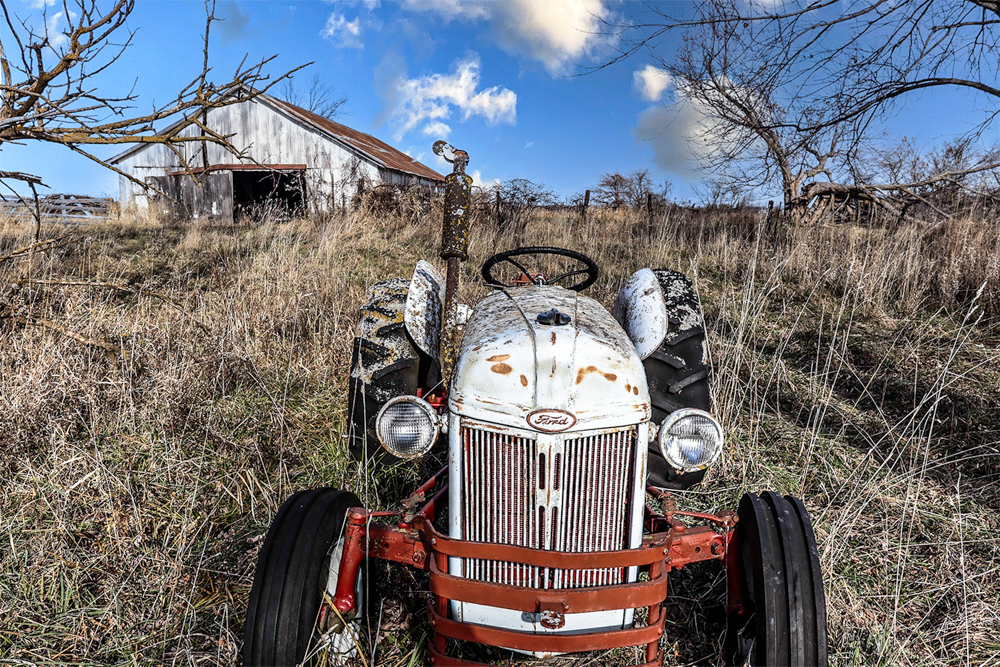
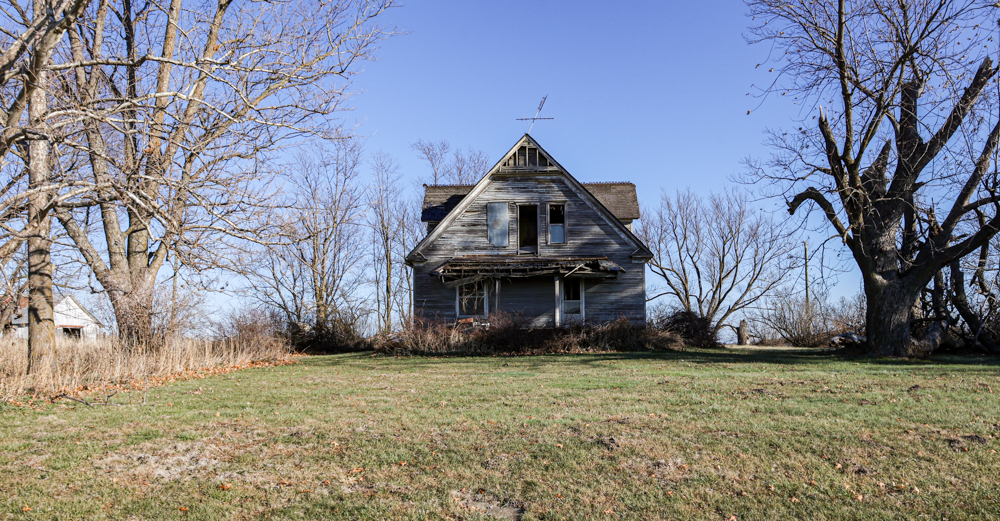
Over the past year and a half, I have been documenting the picturesque farmstead in Missouri. During a recent expedition to discover charming old farmsteads, I was captivated by this particular property. The sight of someone actively preserving it drew me in. The grass was meticulously trimmed, and the house was visible from the road—a rarity for a farmstead in decline. Typically, such properties are boarded up, windows shattered, and the roof caving in.
To obtain permission to photograph the property and the interior of the house, I researched the owners. I met Kenneth Roberts, one of the brothers, and he graciously agreed to allow me to take photographs.
2024-2025
Project Statement
I’ve been capturing the essence of a local Missouri farmstead for over a year and a half. This particular one popped up during a photography trip while I was driving around, searching for those charming old farmsteads. What really drew me in was the sight of someone actively trying to preserve it. The grass was neatly trimmed, and you could even spot the house from the road—a rarity for a farmstead that’s seen better days. Usually, you’d find them boarded up or with windows shattered, and the roof caving in.
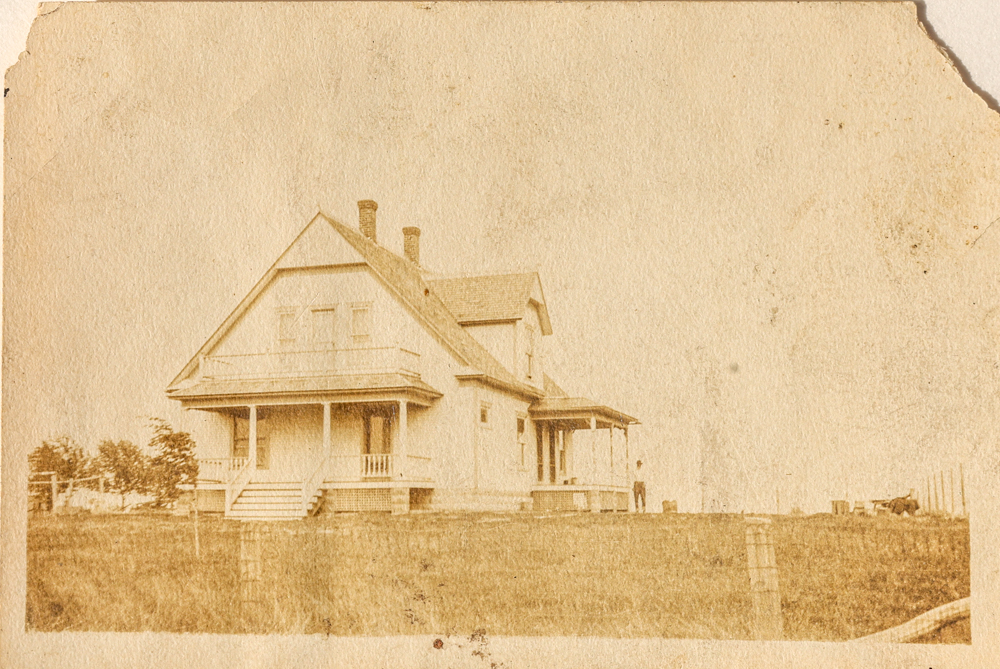
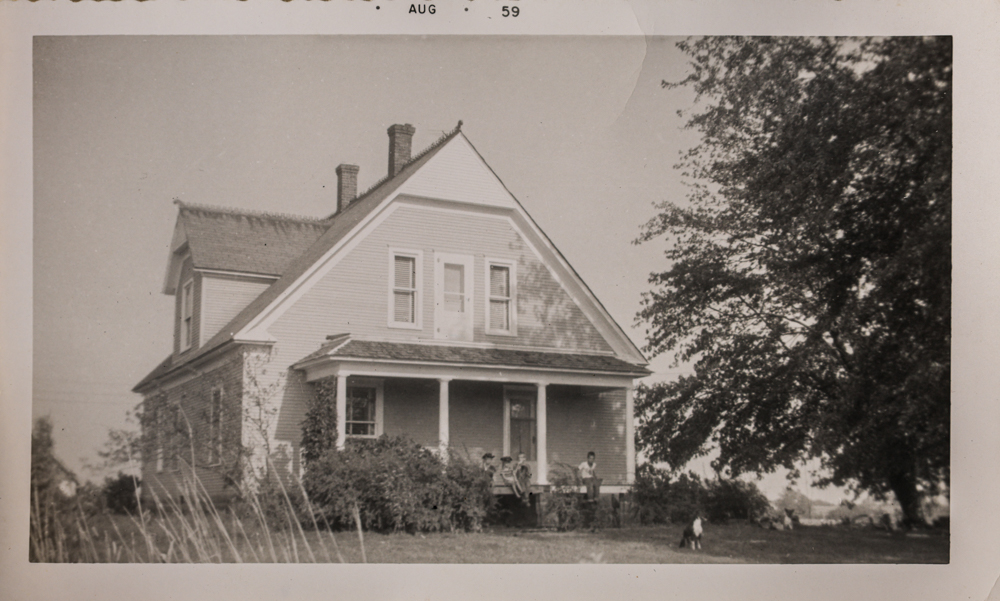
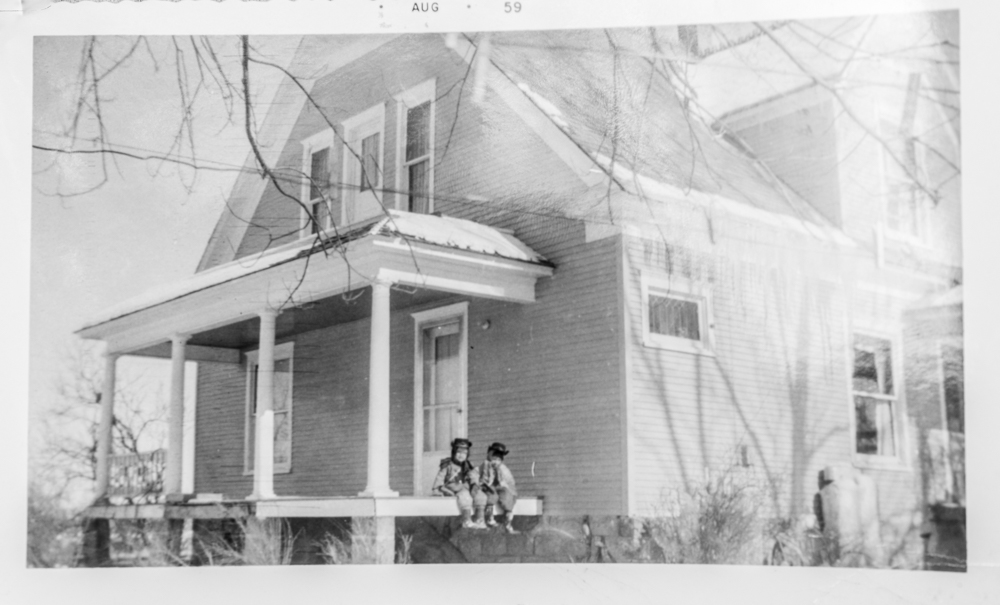
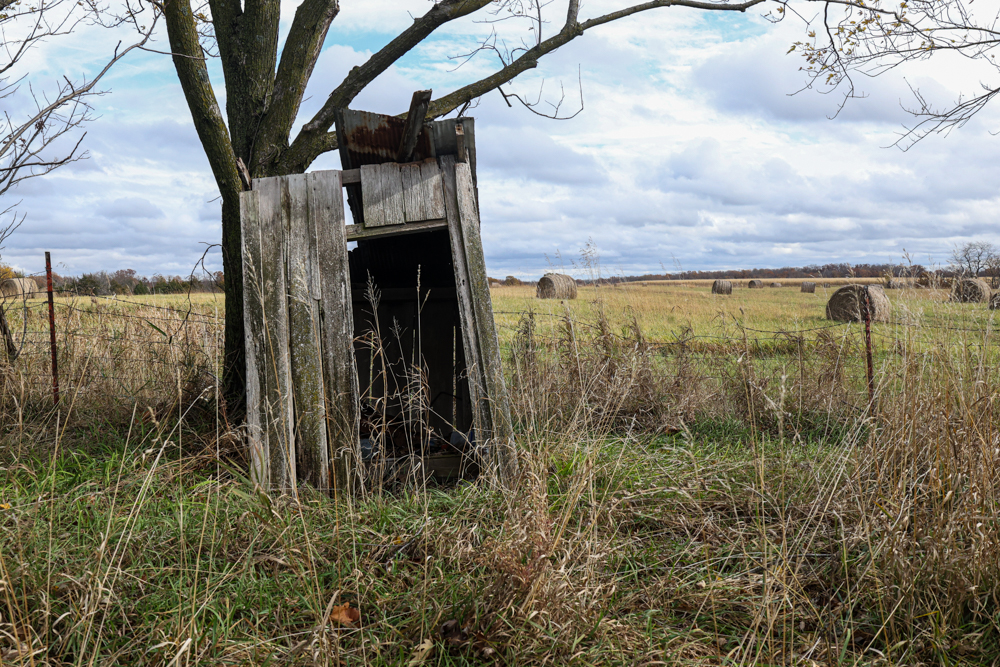
So, the first thing I did was dig up some information about the owners to see if I could get permission to photograph the property and the inside of the house. I stumbled upon Kenneth Roberts, one of the brothers, and arranged to meet him at the farmstead. We met, and he graciously agreed to let me take photos. We ended up meeting a few more times, and he shared some old photos of the place, which are included in my project. He also told me some fascinating childhood stories about the farm, his brother and sister growing up there, and how the house didn’t even have an indoor bathroom until he left for college. He had to trek to the outhouse in the freezing winter months!
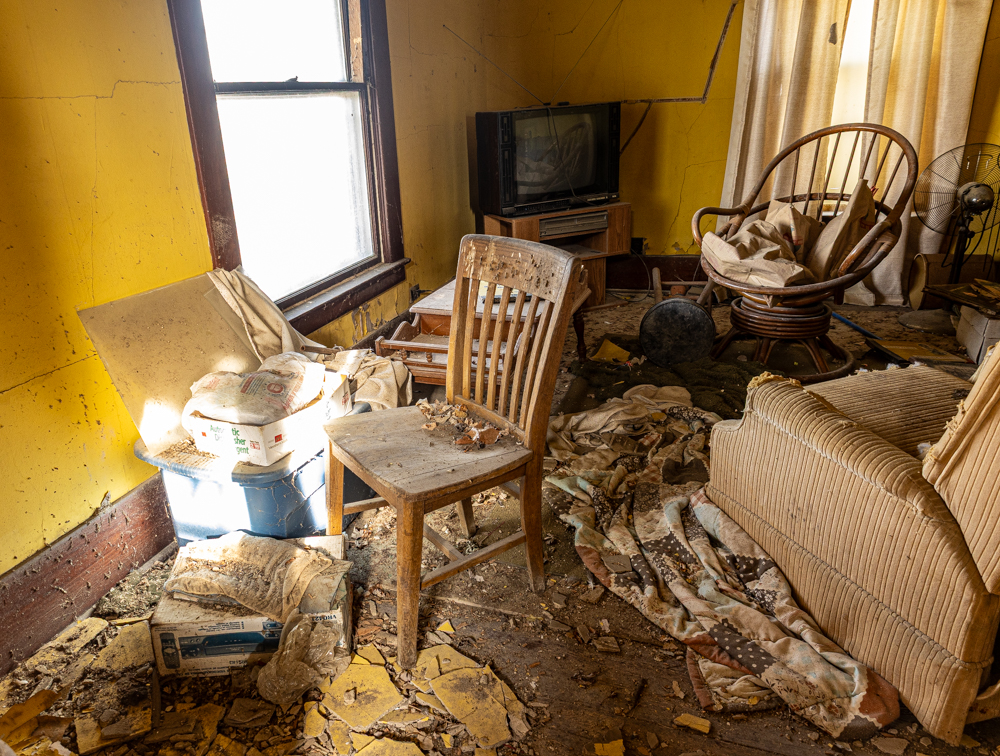
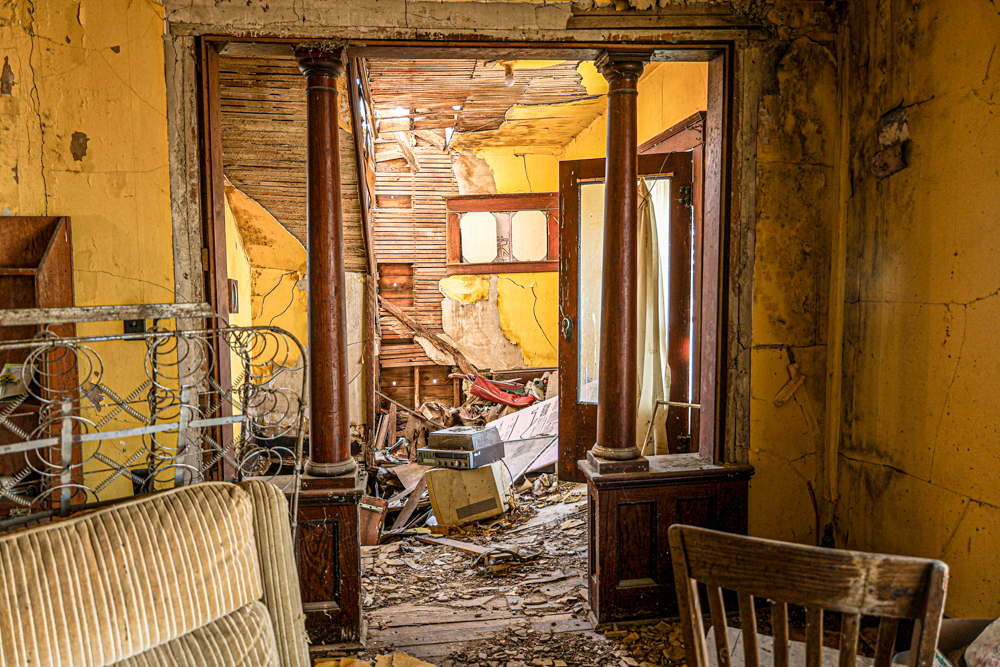
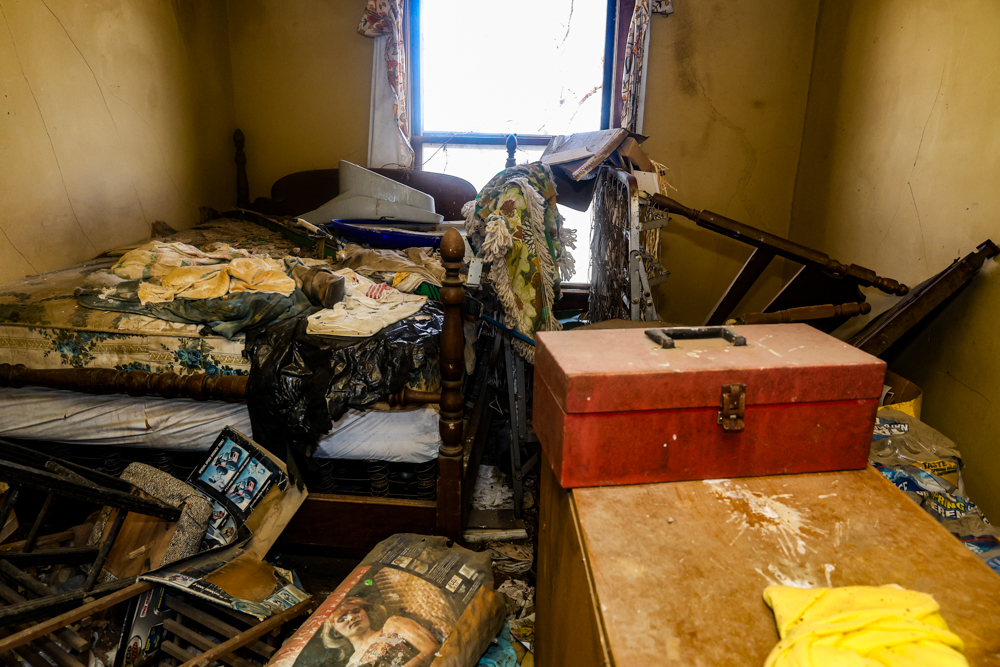
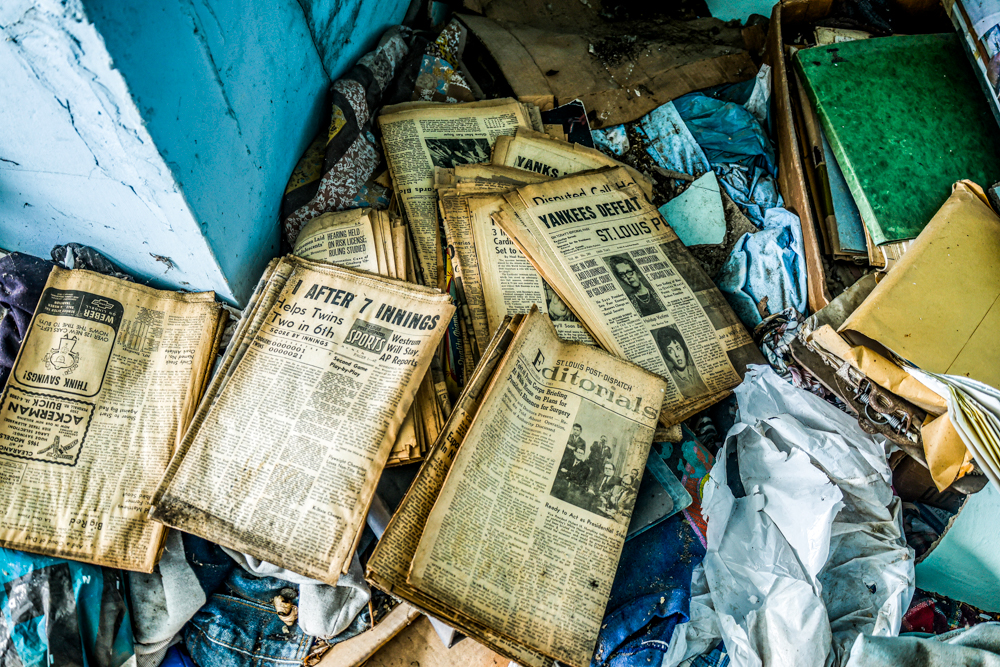
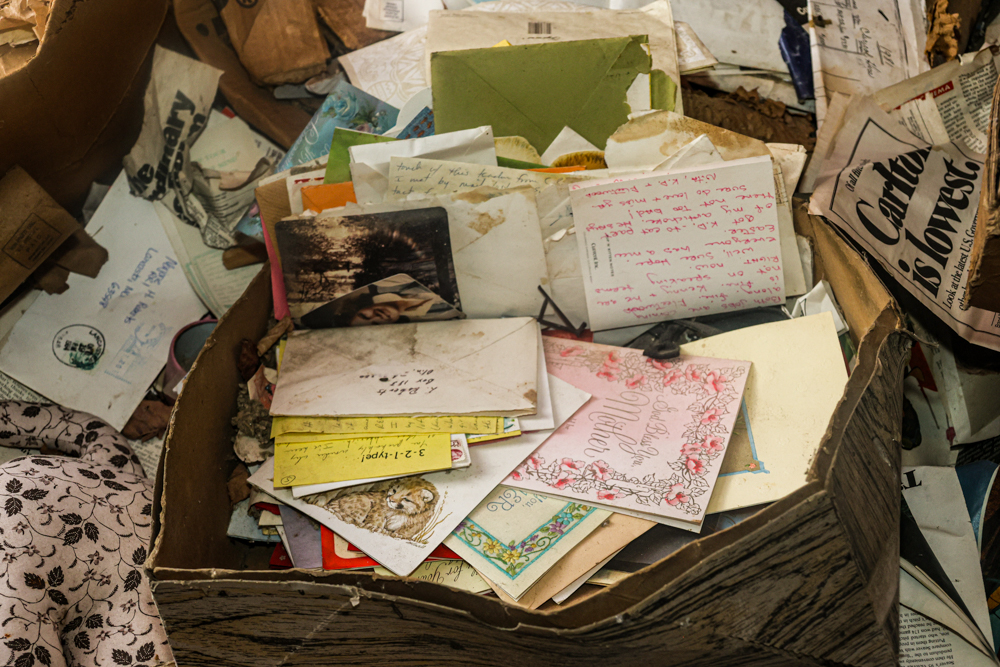
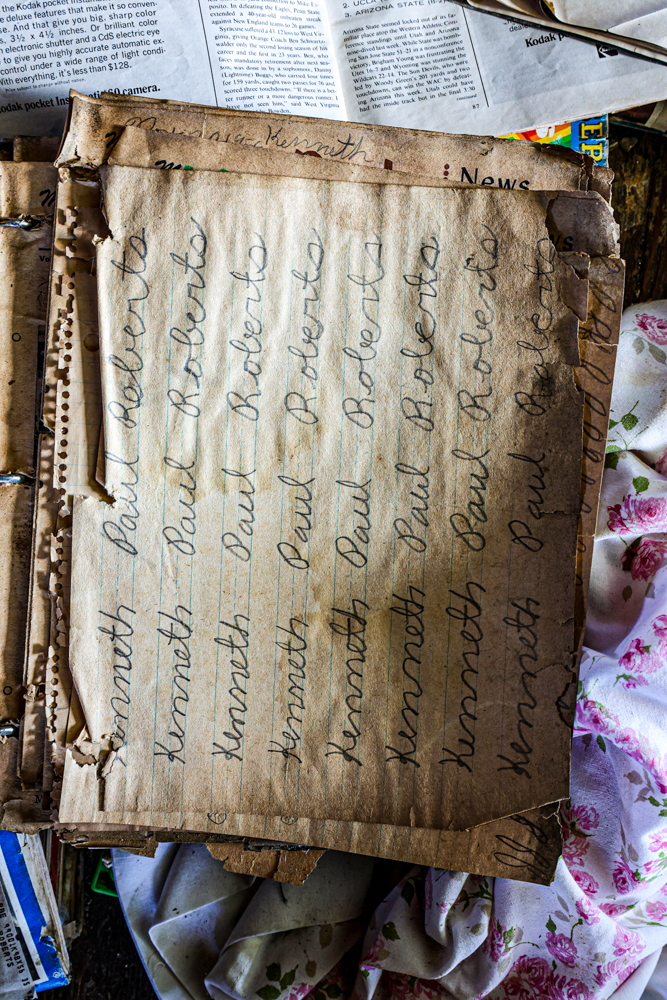
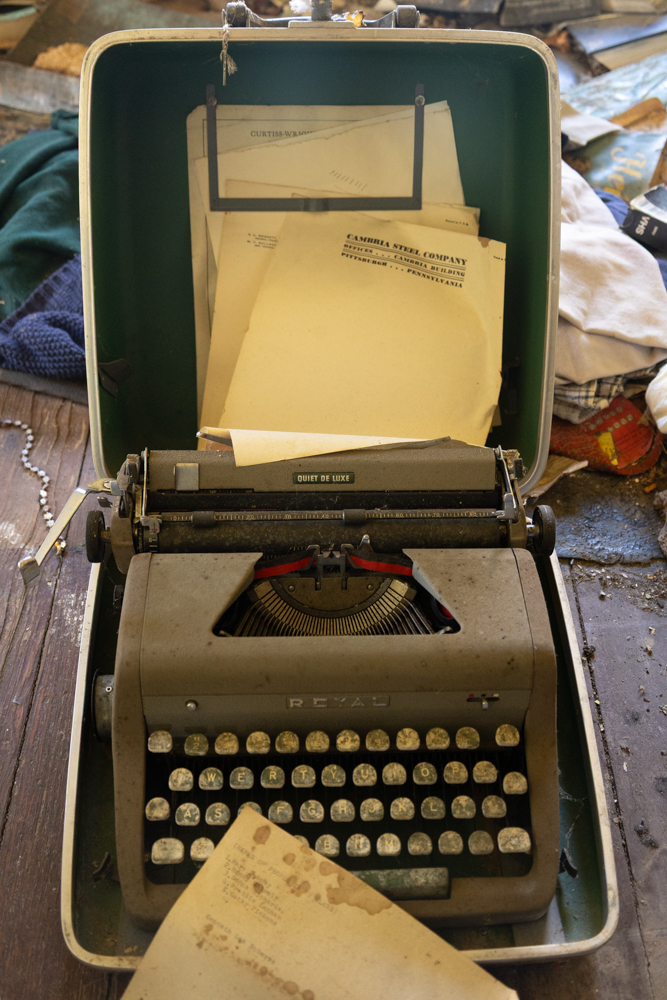
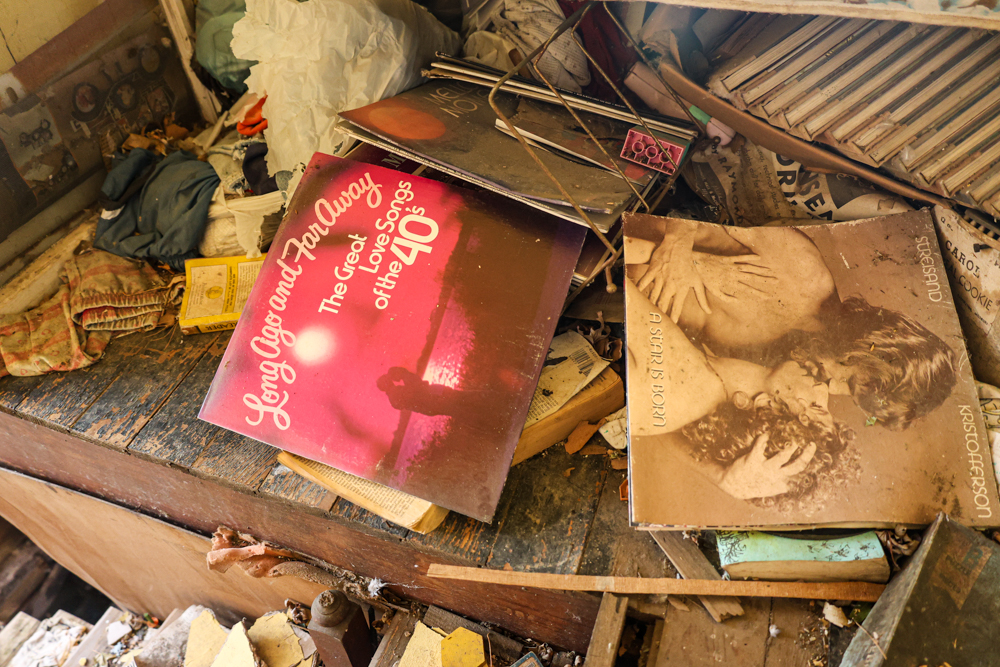
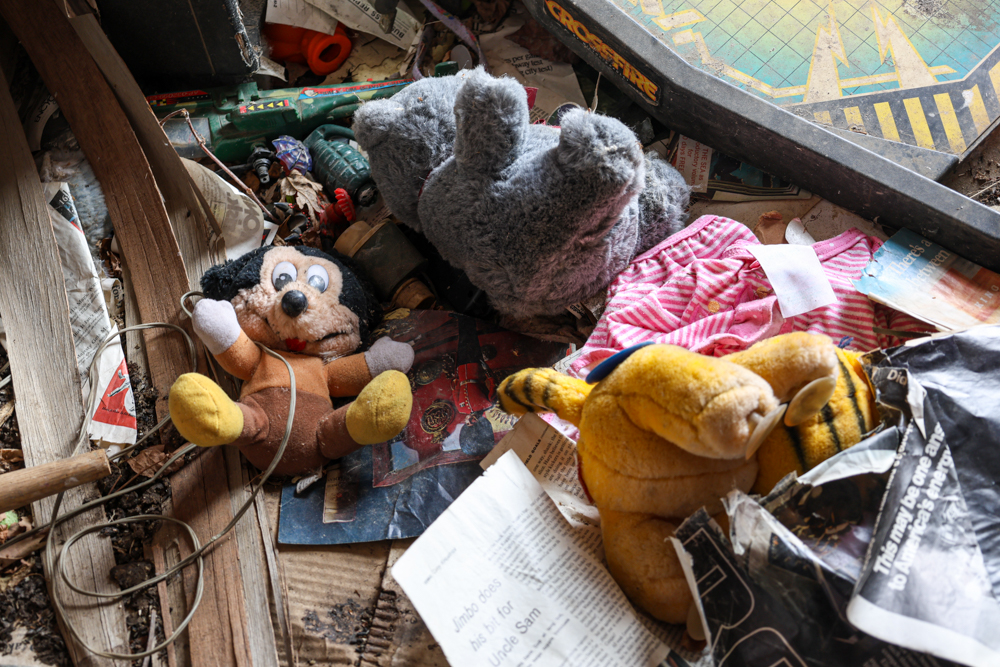
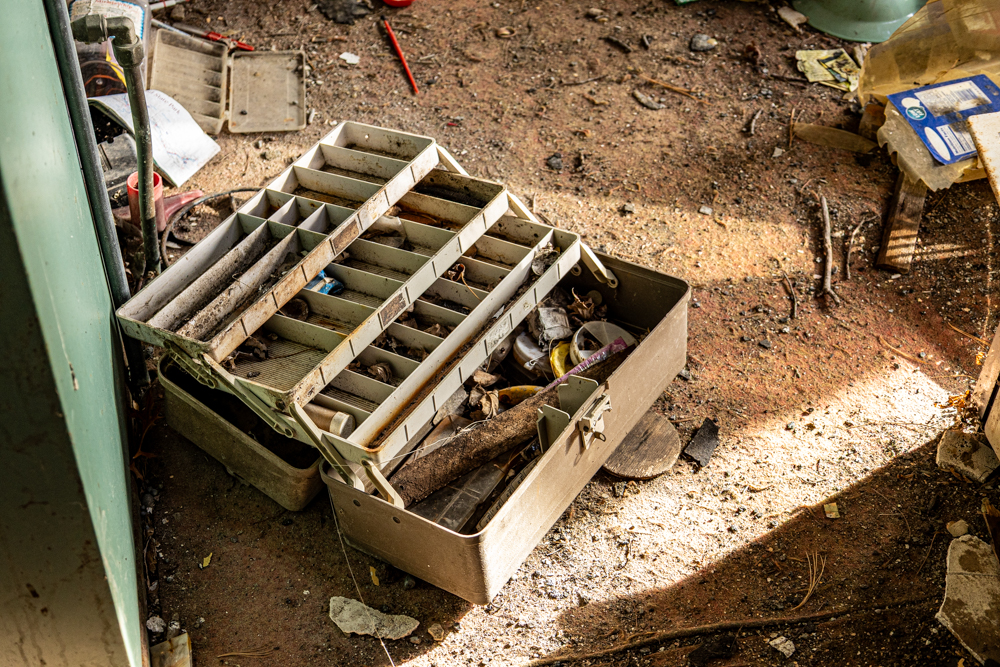
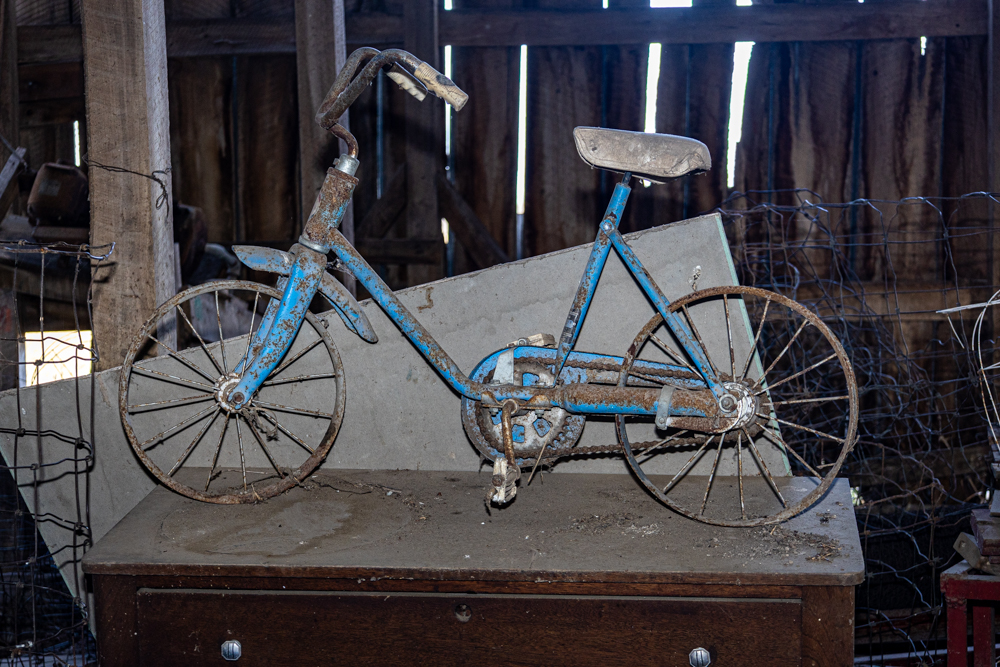
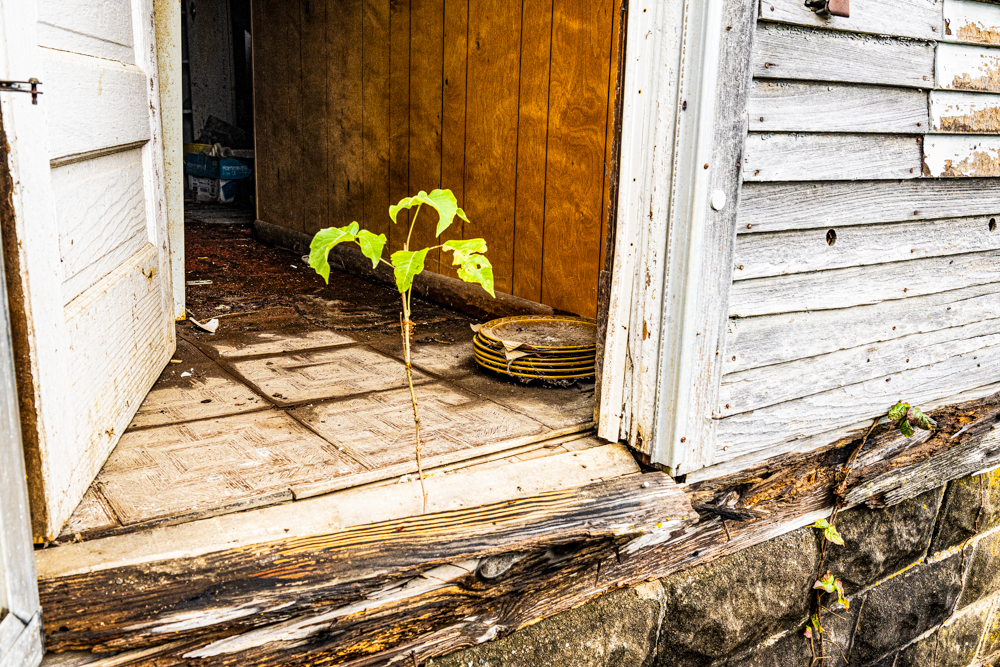
While exploring the inside of the house, I was struck by how much stuff was still there. It felt like I was unearthing a piece of history. Old toys, books, clothes, furniture, magazines, vinyl records, 8-track tapes, cassettes tapes, and even Kenneth’s old homework.
The grandfather built the house back in 1917 and lived there until the Great Depression took it away. Then, his son bought it back in 1949 and stayed on the farm until he passed away in 1953. His mom and the kids stayed until 1970, when she passed. The farm was empty for a few years, but the boys would visit a couple of times a month to check things out. Kenneth’s brother lived there for a couple of years before moving out, and the property was barely hanging on from 1975 to 1980. They finally turned off all the utilities, and the house slowly started to fall apart: windows broke, holes appeared in the roof, and floors caved in.
As a do-it-yourselfer, I feel a deep sense of connection when I walk around this old farmstead and think about how it could have been saved. The memories that must have been made here could have continued if someone had chosen to preserve the place. I renovated my wife’s 100-year-old homestead, which had been in the family for two generations. I was told to bulldoze it and build something new, but I decided to save it for another 100 years, hopefully.
While filming this Missouri Farmstead, I was also capturing three other farmsteads. When I went back to get a couple more shots, they had all been demolished and buried within two weeks of each other. It really struck me, even though I knew they would never be rebuilt.
It reminds me of my wife’s poem. We will never pass this way again, no not ever…
You can find my artist statement and project statement inside the cover of my Horizontal Portfolio Box. There’s also a business card sleeve on the lower left-hand corner of that sleeve. In the back or bottom of the box, there’s another sleeve for a poem and some photo cards that my wife adapted for my project titled “We Will Never Pass this Way Again.”